Mahjong Blast
- 4.8
- Rating
- 100.00M
- Installs
- Free
- Price
 Analysis by App-foxy
I have always liked board games that give my mind something to do without demanding a full evening, and Mahjong Wonders™ fits that mood unusually well. It is a free mahjong solitaire game from Nebula Studio, built around matching identical tiles and clearing each puzzle at a comfortable pace. After spending time with it, I see the appeal: it is easy to understand, quiet enough for a short break, and suitable for players who want a familiar puzzle rather than a complicated strategy system.
The important distinction is that this is mahjong solitaire, not the multiplayer table game usually associated with the word “mahjong.” You are not competing against other players or managing a hand of tiles. Instead, you remove exposed matching pairs from a layout until the board is empty. That makes the game approachable for beginners, but it also means the experience depends heavily on how much variety and long-term challenge the puzzles provide.
How the current version feels to play
The current release is version 1.6.1, and the game has already attracted more than five million installs. Its average score is 4.9 from roughly 324 thousand ratings, with about 2 thousand written reviews. Those numbers suggest that the simple formula is connecting with a large audience, although I would still judge it on the actual play experience rather than popularity alone.
You May Also Like

 AccuWeather: Weather Radar
AccuWeather Review: A Quick, Clear Forecast for Everyday Decisions
For everyday plans, the best forecast is the one you can understand quickly. AccuWeather makes rain timing, radar, and local conditions easy to act on, with a few trade-offs.

 Hill Climb Racing
Why Hill Climb Racing Still Turns Crashes Into One More Run
A tiny car, a bumpy hill and one more upgrade: Hill Climb Racing keeps resurfacing because its simple chaos makes every near-miss feel personal.

 AliExpress - Shopping App
AliExpress Makes Global Shopping Feel Personal, but Shoppers Bear the Risk
AliExpress turns a global marketplace into a pocket-sized discovery engine. Its reach is useful, its shopping loop compelling, and its trade-offs easy to miss.

 Lords Mobile: Kingdom Wars
Lords Mobile Is a Kingdom-Building Routine, Not a Quick Match
A case-by-case verdict on the building, battles, device demands, and social commitments that make Lords Mobile rewarding for some players and exhausting for others.

 PDF Scanner app - TapScanner
TapScanner Makes Paperwork Easier to Capture, Check, and Share
TapScanner makes scanning with a phone feel less like a rescue operation and more like a dependable step in getting work done. Its capture tools are useful, though not flawless.

 Block Blast!
 Shows How Much a Puzzle Game Can Leave Out
A quiet grid game shows why puzzle players increasingly value instant clarity, repeatable skill and low-pressure play—and where the genre still needs to catch up.
More From Our News Desk
View All News


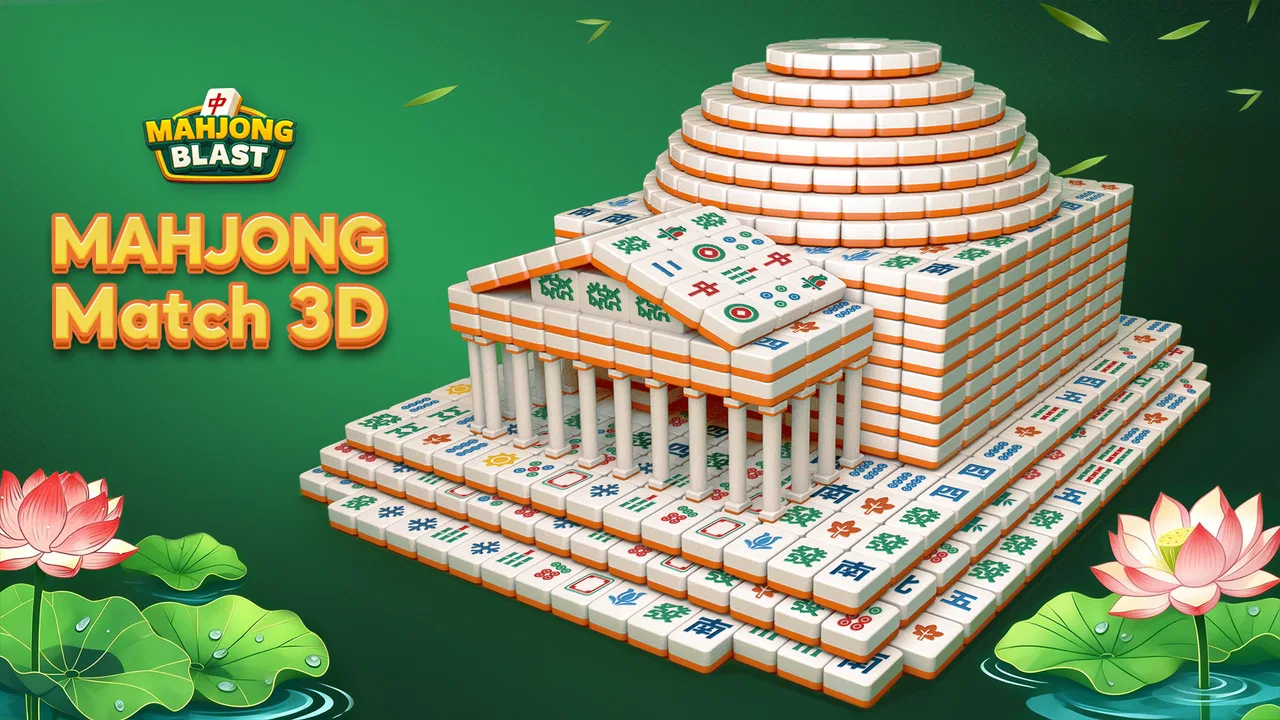
My first impression was that Mahjong Wonders™ is deliberately low-pressure. The board presents the familiar layered arrangement of tiles, and the central task is to find two matching tiles that are currently available. A tile hidden under another one or blocked on both sides cannot be selected, so every move changes what becomes visible next. Even when the puzzle is straightforward, that small chain of consequences gives each board more substance than simply tapping identical pictures.
The game works best when I treat it as a concentration exercise instead of a race. I can scan the open tiles, notice pairs that may disappear soon, and decide whether removing one pair will reveal something more useful. That rhythm makes it a good companion for a coffee break, a quiet commute, or the few minutes before bed. It is also the kind of game I can put down without feeling that I have abandoned a team or missed a live event.
Its age rating is Everyone, which matches the accessible presentation and uncomplicated rules. A child can understand the basic objective quickly, while an older player may appreciate the visual search and memory element. I would still expect very young players to need help recognizing tile patterns at first, especially if the symbols are unfamiliar, but there is no complicated rulebook to study before starting.
The matching system rewards patience more than speed
The most useful habit is to avoid taking the first available pair automatically. I now spend a moment checking the whole playable surface before committing. If several pairs are open, I look for the one that removes a tile from a crowded area or exposes a tile that appears difficult to reach. This is a small change in approach, but it turns the game from random matching into a more deliberate puzzle.
Another practical technique is to keep track of tiles that have only one visible partner. When I see a symbol whose matching tile is buried, I try not to remove the surrounding pieces too quickly unless doing so opens a better route. This matters because a tempting pair can sometimes leave the board less flexible. The game does not need complicated strategy to create these decisions; the layered layout does most of the work.
I also recommend scanning in sections rather than moving your eyes across the whole board repeatedly. I usually check the upper layers first, then the exposed edges, and finally the lower rows. That reduces the chance of overlooking a match while keeping the board readable. It is particularly helpful on a small phone screen, where constant full-board scanning can become tiring.
Why the offline design matters in everyday use
The ability to play offline is one of the strongest practical reasons to keep this game installed. A short puzzle does not require a connection, so it is a sensible choice for a flight, a waiting room with poor reception, or a journey through an area where mobile data is unreliable. I like that the game can fill a few spare minutes without asking me to plan around a network signal.
That offline quality also changes how I use it at home. I can open it when I want a screen activity that feels contained rather than endless. There is no need to coordinate with another person, and the basic puzzle loop does not depend on a particular time of day. For someone trying to replace a more distracting habit with something calmer, that makes a meaningful difference.
There is a trade-off, though. Players who enjoy social competition, shared progress, or online events may find the solitary format limited. Mahjong Wonders™ is strongest as a personal puzzle tool. It is not the right choice if your main reason for playing board games is interaction with friends or the excitement of comparing results in real time.
What Nebula Studio’s release tells me about its direction
The game was released on June 23, 2025, and version 1.6.1 shows that the product has moved beyond its initial launch state. I would not treat a version number by itself as proof of a particular feature or improvement, because it does not explain every change inside the release. What it does tell me is that the developer has continued to maintain the game rather than leaving the launch build untouched.
That distinction matters for a puzzle title. A mahjong solitaire game does not need constant reinvention, but it does need a stable foundation. Players return to the same basic idea many times, so reliability, clear tile presentation, and a comfortable flow are more important than flashy additions. The current version feels aimed at preserving that accessible identity while giving the game room to develop.
For someone installing it today, the practical effect is reassuring: you are not choosing an abandoned experiment that only made sense at release. At the same time, I would keep expectations realistic. The confirmed identity remains a relaxing classic matching game with offline puzzle play, so I would not install it expecting a completely different genre or a deep competitive system to appear simply because the version has advanced.
How existing players benefit from the ongoing version
Players who have been using the game since its earlier days are likely to value continuity more than dramatic change. A familiar board game can be disrupted easily by aggressive redesigns, complicated menus, or systems that pull attention away from the puzzle. The current direction appears more compatible with people who want the core activity to remain recognizable.
That is especially useful for casual users. If I only play for a few minutes at a time, I do not want to relearn the entire interface every time I return. A stable matching routine lets me focus on the layout and my decisions. The game’s appeal comes from repetition with small variations, not from forcing me to master a new system every week.
There is also a benefit for households sharing devices. Because the rules are easy to explain and the content rating is Everyone, another person can pick up the game without a long introduction. It works well as a quiet, individual activity rather than a game that requires a dedicated player profile or a group session.
The best use case is a short, repeatable mental reset
Imagine waiting for an appointment after a busy morning. I would rather open a board that can be understood instantly than start a story game that demands context or a competitive game that may end just as the appointment begins. With Mahjong Wonders™, I can examine the available pairs, make a few careful moves, and stop when my name is called. The activity has a natural pause point because each board is self-contained.
It also suits people who want gentle stimulation while listening to a podcast or sitting in a quiet room. I would not use it when I need complete attention for difficult work, since searching for pairs still occupies part of my focus. But compared with fast arcade games, the pace is much easier to control. That makes it a useful middle ground between doing nothing and committing to a demanding game.
For older relatives who enjoy traditional tile puzzles, the familiar visual language may feel more welcoming than a modern game filled with characters and upgrades. For younger players, it can encourage visual discrimination and planning, although I would present it as a game first rather than making exaggerated educational claims. Its value is in the decisions it invites, not in pretending to replace structured learning.
Where the experience still has limits
The same simplicity that makes the game approachable can also make it feel narrow. If you want a campaign with a strong narrative, a large strategic system, or a constant stream of new mechanics, this will probably seem modest. The pleasure comes from solving layouts, so your enjoyment depends on whether that loop remains satisfying after repeated sessions.
I also think the game is better for relaxed concentration than for serious puzzle mastery. A dedicated mahjong solitaire player may eventually want more control over difficulty, more ways to analyze mistakes, or a stronger sense of progression. Those expectations are reasonable, but they go beyond the basic promise of a classic tile-matching experience. I would choose a more specialized puzzle title if I wanted detailed performance tracking or a highly demanding challenge ladder.
Screen size can affect comfort as well. On a phone with a compact display, scanning layered tiles may require more care, and visually similar symbols can slow down recognition. I found that rotating the device or increasing the distance from the screen did not solve every readability issue; the better solution was simply to play when I was alert and not rush. Anyone with vision difficulties should pay attention to whether the tile artwork remains comfortable during longer sessions.
Another limitation is the solitary nature of the format. There is no reason to open it when I am looking for conversation, teamwork, or a shared family activity. A physical mahjong set or a multiplayer board-game app would be a better fit for that situation. This game recreates the puzzle side of mahjong solitaire, not the social atmosphere of sitting around a table.
Who should install it, and who should look elsewhere
I would recommend it to someone who wants a free board game that starts quickly, works without an internet connection, and does not punish short sessions. It is particularly suitable for players who enjoy visual search, light planning, and familiar rules. The Everyone rating also makes it a reasonable option for mixed-age households looking for something easy to explain.
I would hesitate to recommend it to players who need a strong competitive hook. If leaderboards, live opponents, cooperative play, or elaborate rewards are what keep you engaged, the quiet solitaire structure may lose your attention. I would also point genre enthusiasts toward a more advanced alternative if they want unusual tile rules, precise difficulty controls, or a deep progression system rather than a classic presentation.
The price is another clear advantage for cautious users: the game is free to install. That lowers the barrier to trying it during a spare moment, but free does not automatically mean it will suit everyone. The real question is whether you enjoy repeating a focused matching task. If you do, the lack of an upfront cost makes experimentation easy; if you do not, no amount of polish will change the underlying loop.
What I would watch as the game continues
For future updates, I would pay attention to how Nebula Studio balances familiarity with variety. The strongest path would be to preserve the calm offline identity while making repeated play feel fresh. New layouts or thoughtful refinements could help, but they should support the matching puzzle rather than bury it under unrelated systems.
I would also watch how the game handles accessibility as its audience grows. Clear tile contrast, comfortable spacing, and an interface that remains readable on different screen sizes would matter more to me than decorative additions. A mahjong solitaire game lives or dies by how easily I can identify available tiles, so visual comfort is part of the gameplay rather than a minor extra.
Version 1.6.1 gives existing users a current point of reference, while the release history suggests that the developer is still working on the product. My expectation would be measured rather than speculative: I would welcome improvements that make the board easier to read and the puzzle flow smoother, but I would not assume that every future update will transform the game into a different experience.
One useful sign will be whether returning players feel that their time is respected. For me, that means being able to open a puzzle quickly, understand the board without unnecessary friction, and leave without losing the relaxed mood that brought me there. If future development protects those qualities, the game can remain appealing even without becoming more complicated.
My final take after playing
Mahjong Wonders™ succeeds because it understands the value of a small, quiet puzzle. It does not need a dramatic story or a competitive framework to be useful. The combination of familiar tile matching, offline access, a free entry point, and an Everyone rating makes it easy to recommend to casual players who want something calming and immediately understandable.
My advice is to play it slowly, inspect the board before every move, and treat the layouts as short concentration sessions rather than tests of speed. That approach brings out the most interesting part of the game: deciding which pair to remove now and which possibility to preserve for later. It also reduces the frustration that comes from tapping the first obvious match and discovering that the remaining board has become awkward.
It is not a substitute for a social mahjong game, a competitive puzzle platform, or a richly structured strategy title. Those are genuine boundaries, not flaws that can be ignored. But within its intended space, it is a pleasant and practical choice. If you want a straightforward board game for offline breaks and gentle mental exercise, I think Mahjong Wonders™ is worth trying.
FAQs for Mahjong Blast
01What is Mahjong Wonders™ and how does it differ from traditional Mahjong?
Mahjong Wonders™ is a mobile adaptation of the classic tile-matching game, designed with unique themes and challenging levels. Unlike traditional Mahjong, this app offers various gameplay modes, power-ups, and daily challenges to keep you engaged. Its vibrant graphics and intuitive controls make it accessible for both new and experienced players.
02Is Mahjong Wonders™ free to play, and are there in-app purchases?
Mahjong Wonders™ is free to download and play, offering a wide range of levels and features at no cost. However, it does include optional in-app purchases for those who wish to enhance their experience with additional power-ups, ad removal, or exclusive themes. These purchases can enhance gameplay but are not necessary to enjoy the game.
03Can I play Mahjong Wonders™ offline, or do I need an internet connection?
Mahjong Wonders™ can be played offline, making it a great option for gaming on the go without needing a constant internet connection. However, certain features like daily challenges or updates may require you to be online. Playing offline allows you to enjoy the core game without interruptions.
04What devices are compatible with Mahjong Wonders™?
Mahjong Wonders™ is available for both Android and iOS devices. It supports a wide range of smartphones and tablets, provided they have an updated operating system. Always check the app store for the latest compatibility requirements to ensure your device can run the game smoothly.
05How does Mahjong Wonders™ handle user data and privacy?
Mahjong Wonders™ prioritizes user privacy and complies with standard data protection regulations. The app may collect some data to enhance user experience and personalize gameplay, but this information is kept secure. Users can review the privacy policy within the app to understand how their data is managed and can contact support for any privacy concerns.
Pros
- Engaging puzzles keep gameplay fresh.
- Stunning graphics enhance visual appeal.
- Intuitive controls for seamless play.
- Frequent updates with new levels.
- Offline mode available for travel.
Cons
- Ads can be intrusive during gameplay.
- Occasional bugs disrupt progress.
- In-app purchases can be costly.
- Limited customization options.
- High battery consumption during use.

Mahjong Blast
Gallery